My name is Paul Ainslie, and I am the Deputy Mayor of Toronto, here today representing Mayor Olivia Chow.
Toronto is widely recognized as Canada’s economic capital. But too often, our waterfront and port assets are treated as separate from our growth story. In reality, they are deeply connected.
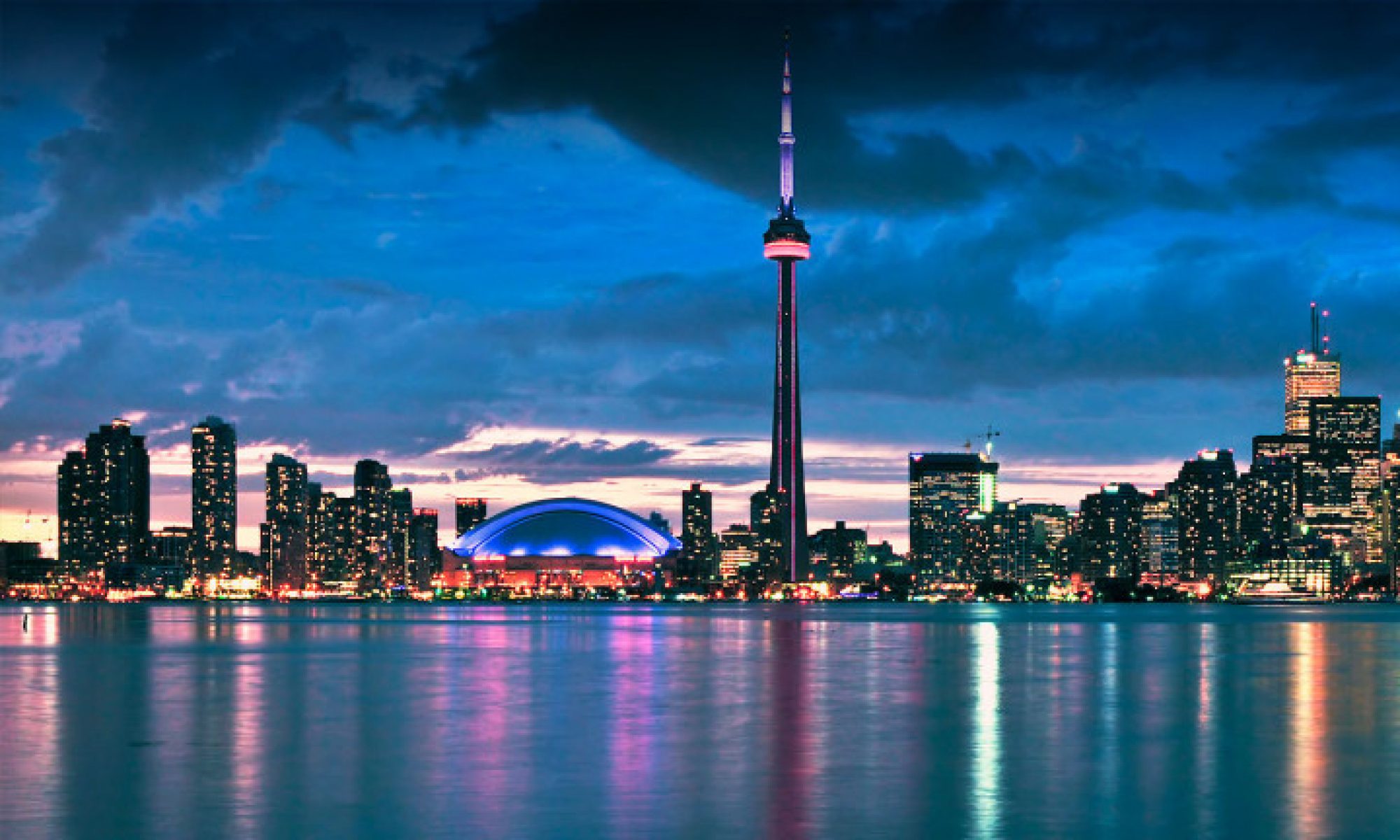
Toronto’s waterfront is one of our greatest competitive advantages. It is where business investment, housing growth, tourism, innovation, culture, and trade all come together. The Port of Toronto plays a vital role in moving goods efficiently, supporting construction activity, regional supply chains, and sustainable transportation.
That is exactly why Toronto strongly supports the Cities Initiative’s Economic Transformation Action Plan and its vision of a Fresh Coast Economic Corridor. This region is already one of the most powerful economic areas in the world, generating approximately $9.3 trillion USD in annual economic output and representing nearly 30 percent of all U.S. and Canadian economic activity. Few regions anywhere can match that scale, talent, freshwater resources, and industrial strength.
As our city grows, these assets become even more important. Global talent and investment are drawn to cities that are connected, livable, dynamic, and efficient. Toronto’s waterfront helps deliver all of that.
Toronto’s own waterfront transformation shows what is possible when cities think boldly. Since that vision was launched, revitalization efforts have contributed $7.1 billion in gross economic output to Canada, with full buildout projected to generate an additional $75 million annually in property tax revenues. It has already delivered 4,941 housing units, with the next phase expected to create 14,000 more homes. And every dollar invested in flood protection is expected to prevent five dollars in future flood damages. That is what smart city-building looks like.
We are continuing to revitalize former industrial lands, invest in infrastructure, improve transit, and build complete communities that strengthen both quality of life and economic productivity.
Large cities also have a responsibility to lead regionally. Toronto’s prosperity is tied to the prosperity of our neighbors across the Great Lakes–St. Lawrence region. When ports grow stronger, corridors function better, and supply chains become more resilient, all of our cities benefit.
The Economic Transformation Action Plan sets an ambitious course: attract half a million new businesses, create over 18 million new jobs, and strengthen maritime commerce across our shared corridor. Toronto believes that by investing in ports, waterfronts, and regional connectivity, we can build a stronger and more competitive future together.
The message is simple: our waterfront is not the edge of Toronto. It is one of the engines of Toronto’s future prosperity.
Thank you, Merci Beaucoup, Chi Migweetch!