- Good evening, everyone.
- Thank you to Mayor Ryan Sorenson, of Sheboygan, Wisconsin for that incredibly kind introduction !
- I am deeply honored to stand here tonight to accept the Impact Award.
- To be recognized by the Great Lakes and St. Lawrence Cities Initiative—an organization that represents the collective voice of over 425 communities—is truly humbling.
- While my name may be on this award, the impact we are celebrating tonight is never the result of one person’s work.
- It is the result of the tireless efforts of our municipal staff,
- our Indigenous partners, and the environmental advocates
- who understand that our shorelines do not stop at jurisdictional borders.
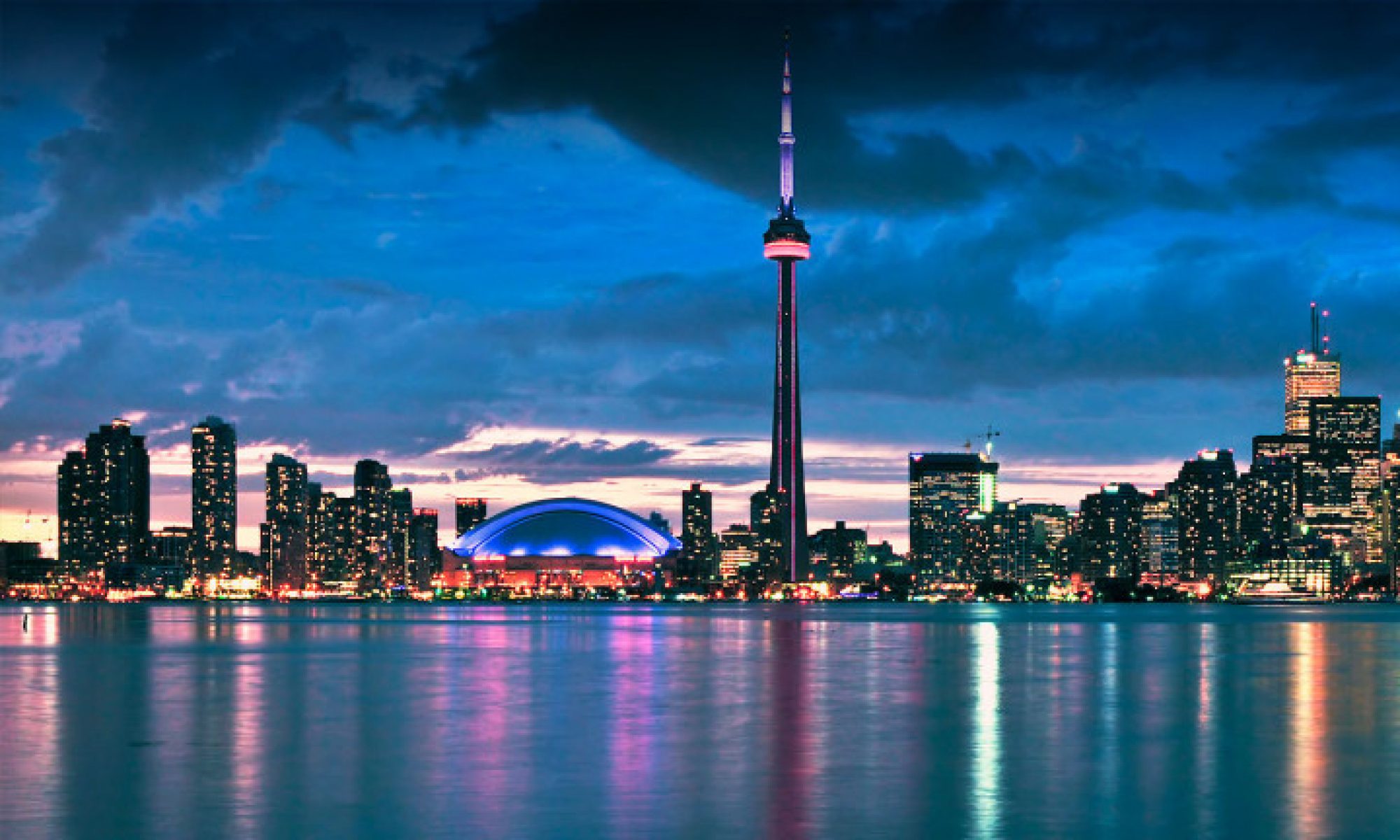
- In Toronto, we often look out at Lake Ontario and see it as the heart of our city.
- But through this alliance, we are reminded that it is part of a much larger, more vital circulatory system that sustains 40 million people.
- This year’s conference and our focus on the Fresh Coast Economic Corridor is a testament to how far we’ve come.
- We are proving every day that environmental stewardship and economic transformation are not competing interests—they are two sides of the same coin.
- As we look toward the implementation of the Economic Transformation Action Plan, our work is only beginning.
- We must continue to champion innovative solutions for water quality and ensure that our “Fresh Coast” remains a source of prosperity for current and future generations.
- Thank you again to the Cities Initiative for this incredible honor.
- Let’s continue to work together to protect these waters that define our region and our future.
- Thank you, Merci Beaucoup, Chi Migweetch!
Cities Initiative Annual Declaration Plenary Session – Unlocking the Inland Advantage: The Critical Role of Big Cities in Attracting New Businesses, Driving Job Creation, and Increasing Maritime Commerce
My name is Paul Ainslie, and I am the Deputy Mayor of Toronto, here today representing Mayor Olivia Chow.
Toronto is widely recognized as Canada’s economic capital. But too often, our waterfront and port assets are treated as separate from our growth story. In reality, they are deeply connected.
Toronto’s waterfront is one of our greatest competitive advantages. It is where business investment, housing growth, tourism, innovation, culture, and trade all come together. The Port of Toronto plays a vital role in moving goods efficiently, supporting construction activity, regional supply chains, and sustainable transportation.
That is exactly why Toronto strongly supports the Cities Initiative’s Economic Transformation Action Plan and its vision of a Fresh Coast Economic Corridor. This region is already one of the most powerful economic areas in the world, generating approximately $9.3 trillion USD in annual economic output and representing nearly 30 percent of all U.S. and Canadian economic activity. Few regions anywhere can match that scale, talent, freshwater resources, and industrial strength.
As our city grows, these assets become even more important. Global talent and investment are drawn to cities that are connected, livable, dynamic, and efficient. Toronto’s waterfront helps deliver all of that.
Toronto’s own waterfront transformation shows what is possible when cities think boldly. Since that vision was launched, revitalization efforts have contributed $7.1 billion in gross economic output to Canada, with full buildout projected to generate an additional $75 million annually in property tax revenues. It has already delivered 4,941 housing units, with the next phase expected to create 14,000 more homes. And every dollar invested in flood protection is expected to prevent five dollars in future flood damages. That is what smart city-building looks like.
We are continuing to revitalize former industrial lands, invest in infrastructure, improve transit, and build complete communities that strengthen both quality of life and economic productivity.
Large cities also have a responsibility to lead regionally. Toronto’s prosperity is tied to the prosperity of our neighbors across the Great Lakes–St. Lawrence region. When ports grow stronger, corridors function better, and supply chains become more resilient, all of our cities benefit.
The Economic Transformation Action Plan sets an ambitious course: attract half a million new businesses, create over 18 million new jobs, and strengthen maritime commerce across our shared corridor. Toronto believes that by investing in ports, waterfronts, and regional connectivity, we can build a stronger and more competitive future together.
The message is simple: our waterfront is not the edge of Toronto. It is one of the engines of Toronto’s future prosperity.
Thank you, Merci Beaucoup, Chi Migweetch!
Mayors Commission on Economic Transformation (Great Lakes St. Lawrence Cities Initiative Annual Conference) May 5, 2026
Good Morning
I’m Paul Ainslie, Deputy Mayor of Toronto, Ontario — Canada’s largest city, a major financial hub, and one of the most trade-exposed urban economies on this continent. We have a large industrial base, a significant port, and deep supply chain ties to the United States. And that is precisely why I want to speak this morning, because the trade war is not only a story about bilateral diplomacy and macro forecasts. It is showing up in our city — in our budgets, in our businesses, and in conversations I’m having with residents and employers who are worried about what comes next.
Let me ground this in what the data actually tells us, because we need to walk away from this conversation with a clear, credible case to bring to our federal partners.
Start with the macroeconomic picture. The Bank of Canada has been direct: Governor Macklem stated that a long-lasting trade war poses the greatest threat to the Canadian economy, warning of reduced growth and increased unemployment. RBC Economics has confirmed that the impact is geographically concentrated — GDP growth in Ontario and Quebec is expected to be at the bottom of all provinces in 2026. That is us. That is this room.
As of this April, the landscape remains volatile. While CUSMA-compliant goods remain exempt, our businesses are navigating a minefield of tariffs: 25 percent on automobiles and parts, 35 percent on softwood lumber, and 50 percent on steel and aluminum. Even small-scale trade is under fire, as goods valued under $800 that previously qualified for de minimis exemptions are now subject to full duties.
Scotiabank Economics has tracked the trade diversion in real time. The share of Canadian exports bound for the U.S. declined from 76 percent in 2024 to 72 percent in 2025, while exports to other regions — particularly Europe — rose significantly. That diversification is a rational business response, but it does not come for free. Reorienting decades of supply chain integration requires new infrastructure, new logistics relationships, and new capital. As Canada’s primary gateway for trade in services and financial flows, Toronto feels that adjustment cost acutely — and the businesses absorbing it are the same employers our residents depend on.
At the municipal level, the impacts are concrete. The Association of Municipalities of Ontario, working with Oxford Economics, estimated that tariffs could increase infrastructure costs by over $1 billion on nearly $50 billion in planned municipal expenditures across Ontario over the next two years — a 2.1 percent cost increase on every road, water system, and public building we are trying to build.
For a city already managing one of the most ambitious capital plans in North America, that means harder choices. But in Toronto, we aren’t just waiting for the dust to settle; we are acting. Through our US Response Secretariat, we’ve launched a suite of relief measures to keep our industrial base competitive:
- We’ve boosted the Small Business Property Tax reduction to 20 percent.
- We are providing a 100 percent tax growth grant for eligible projects under our EDGE Incentive Program through 2027.
- We’ve even adjusted our Industrial Water Rate Program to provide a 35 percent benefit for large users to offset these external pressures.
This brings me to the CUSMA/USMCA joint review — the most important trade policy moment our two countries will have this year. While we work toward the July 1st deadline to confirm the scope of this review, we are hearing from the U.S. that negotiations may extend further, potentially shifting toward separate arrangements with Canada and Mexico.
Local governments cannot negotiate trade agreements, but we are the ones who absorb the consequences when they fail. Toronto’s size gives us a platform, and we intend to use it. Through initiatives like TradeTO, we are helping our businesses double non-US exports over the next decade, ensuring that while we value our Great Lakes partners, we are never again so vulnerable to unilateral protectionism. Our federal partners need to understand that trade instability has a municipal price tag — and in a city of three million people, that price tag is very large.
Thank you, Merci Beaucoup, Chi Migweetch!